EV Charger Permits in Sacramento: What Homeowners Should Know
Understanding the Permit Process Before Installing a Home EV Charger
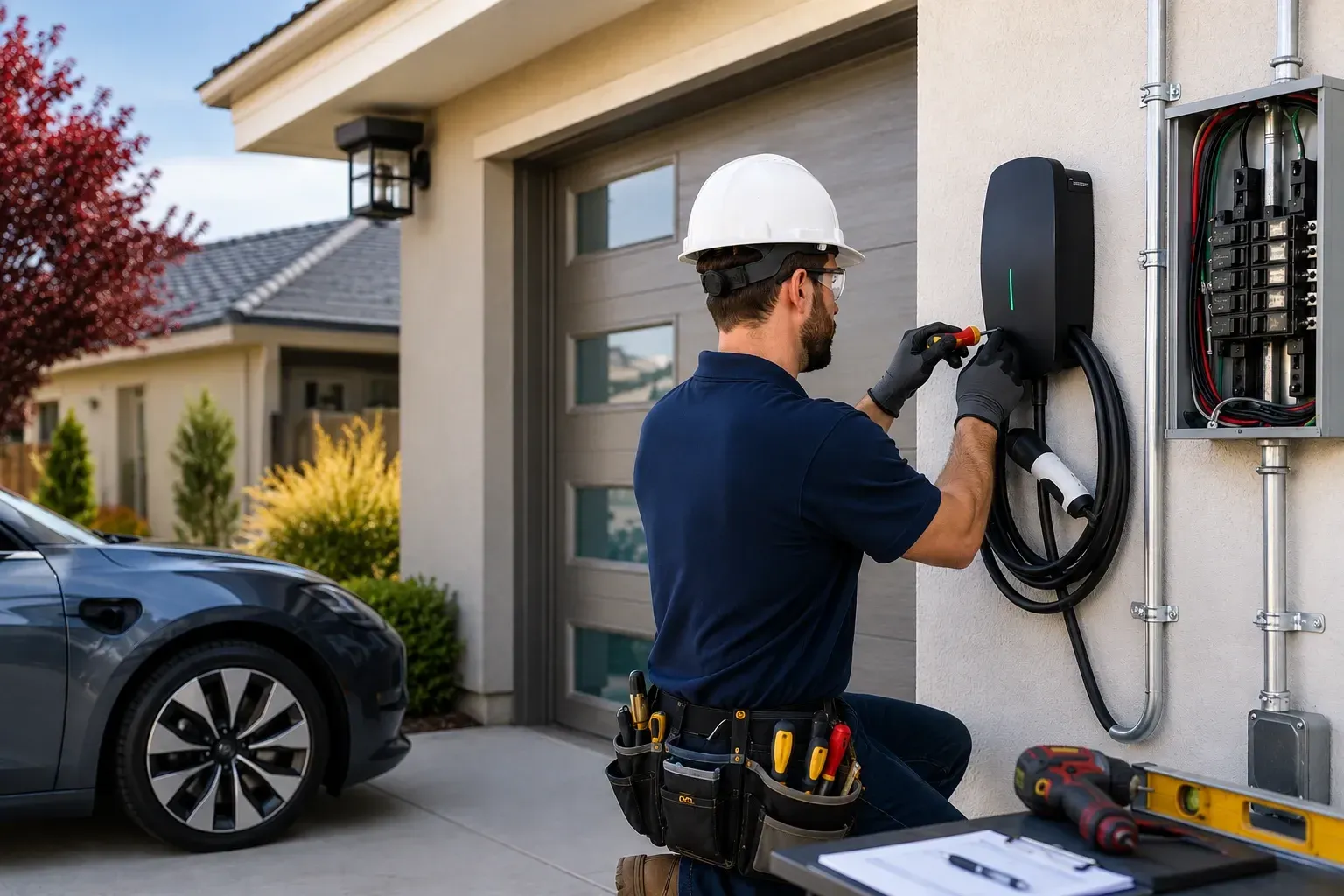
Installing a home EV charger often involves adding a new electrical circuit or making other changes to the home's electrical system. Depending on the project and where the property is located, that work may require a permit, plan review, and inspection before the installation is considered complete.
For Sacramento homeowners, one of the first steps is determining which local authority has jurisdiction over the property. The City of Sacramento and unincorporated Sacramento County have their own permitting processes, while surrounding incorporated communities may have different requirements. Understanding which rules apply before work begins can help homeowners plan the installation and avoid unnecessary delays.
This guide explains the role permits and inspections play in a residential EV charger installation, how requirements can differ by jurisdiction and project scope, and what Sacramento-area homeowners should consider as they prepare for an installation.
Determine Which Jurisdiction Has Authority Over Your Property
Before looking at permit forms, fees, or inspection procedures, homeowners should determine which local government has jurisdiction over the property where the EV charger will be installed. The Sacramento area includes multiple cities as well as unincorporated areas, and the permitting authority depends on the property's actual location.
A home located within the City of Sacramento falls under the City's permitting requirements and processes. A property located in an unincorporated area of Sacramento County generally falls under Sacramento County's permitting authority instead. These are separate jurisdictions with their own permit applications, submission procedures, and inspection processes.
A Sacramento mailing address does not necessarily mean that a property is located within the City of Sacramento. Postal addresses and governmental boundaries do not always correspond, so homeowners should verify the jurisdiction rather than relying only on the city name shown in their mailing address.
Other incorporated communities within Sacramento County have their own local governments and may administer their own building and electrical permits. Homeowners in communities such as Elk Grove, Folsom, Rancho Cordova, or Citrus Heights should therefore check the requirements of the jurisdiction responsible for their particular property rather than following City of Sacramento or Sacramento County instructions by default.
Identifying the correct jurisdiction at the beginning of the project establishes where permit information should come from, where an application may need to be submitted, and which inspection process will apply. Once that is known, the homeowner can determine the permit requirements for the specific EV charger installation.
Understand When an EV Charger Installation Requires a Permit
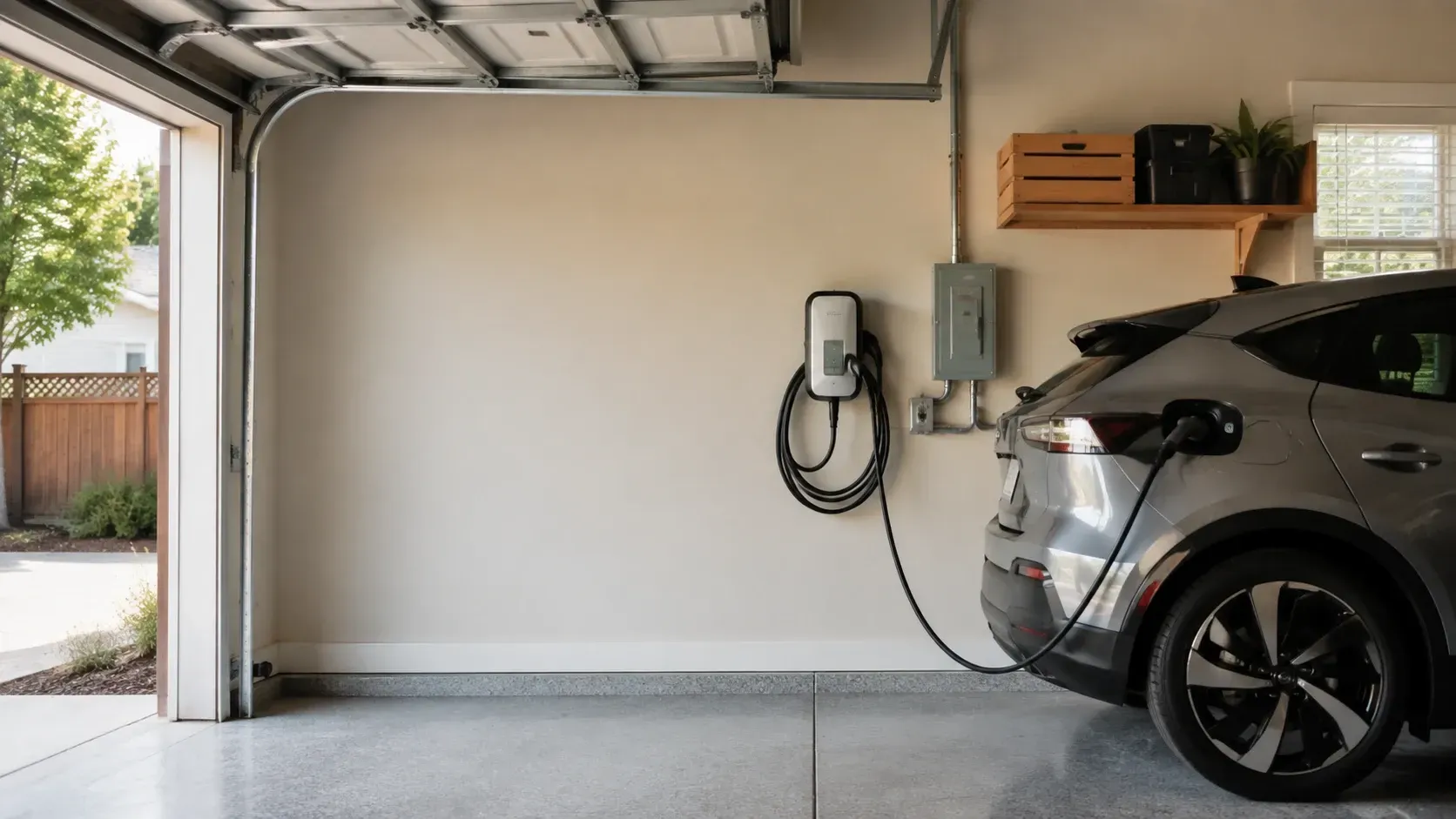
Installing a Level 2 EV charger typically involves adding a new 240-volt electrical circuit or making other changes to the home's electrical system. That electrical work generally brings the project within the local permitting process, making it important to determine the applicable requirements before installation begins.
Within the City of Sacramento, the City's current permit information specifically identifies a new EV charger circuit as work requiring a permit application and plan-review submittal. The City also provides a residential EV charging equipment submission checklist for these projects.
Sacramento County similarly requires an electrical permit for a Level 2 EV charging station in areas under County jurisdiction. The County's residential EV charging requirements identify the permit and supporting information needed for the installation, including details about the charging equipment and electrical system.
The scope of the project matters as well. Installing a new charging circuit, adding a 240-volt receptacle for charging equipment, hardwiring a charger, or performing related panel or electrical work can affect what needs to be included in the permit. A project involving additional electrical modifications may therefore require more information than a straightforward charger installation.
Homeowners should verify the requirements for their particular project with the authority having jurisdiction before electrical work begins. Doing so establishes whether a permit is required, what work needs to be included, and what information will be needed to move the installation through permit review and inspection.
Know What Information May Be Required for the Permit
An EV charger permit application may require more than the address of the property and the model of charging equipment being installed. The permitting authority needs enough information about the proposed installation to review the electrical work and determine whether it meets the applicable requirements.
Project information may include the location of the EV charger, the location of the home's electrical service or panel, and details about the new charging circuit. Information about the charging equipment itself may also be required, such as manufacturer specifications or installation documentation showing the charger's electrical requirements.
Depending on the jurisdiction and scope of the project, the submittal may include a site plan, electrical diagram, or other information showing how the charger will be connected to the home's electrical system. Sacramento County's current residential EV charging requirements, for example, call for information showing the EV charger and service-panel locations, a single-line electrical diagram, and manufacturer cut sheets for the equipment.
Information about the home's existing electrical service and loads may also be needed. This becomes particularly important when the permitting authority needs to determine how the additional EV charging load relates to the capacity of the existing electrical system or when other electrical modifications are included in the project.
The exact submittal requirements depend on the jurisdiction and the work being performed. Reviewing the current checklist, application requirements, and instructions from the appropriate permitting authority before submitting the project can help ensure that the necessary information is provided and reduce delays caused by an incomplete application.
Plan for Electrical Capacity and Panel Information
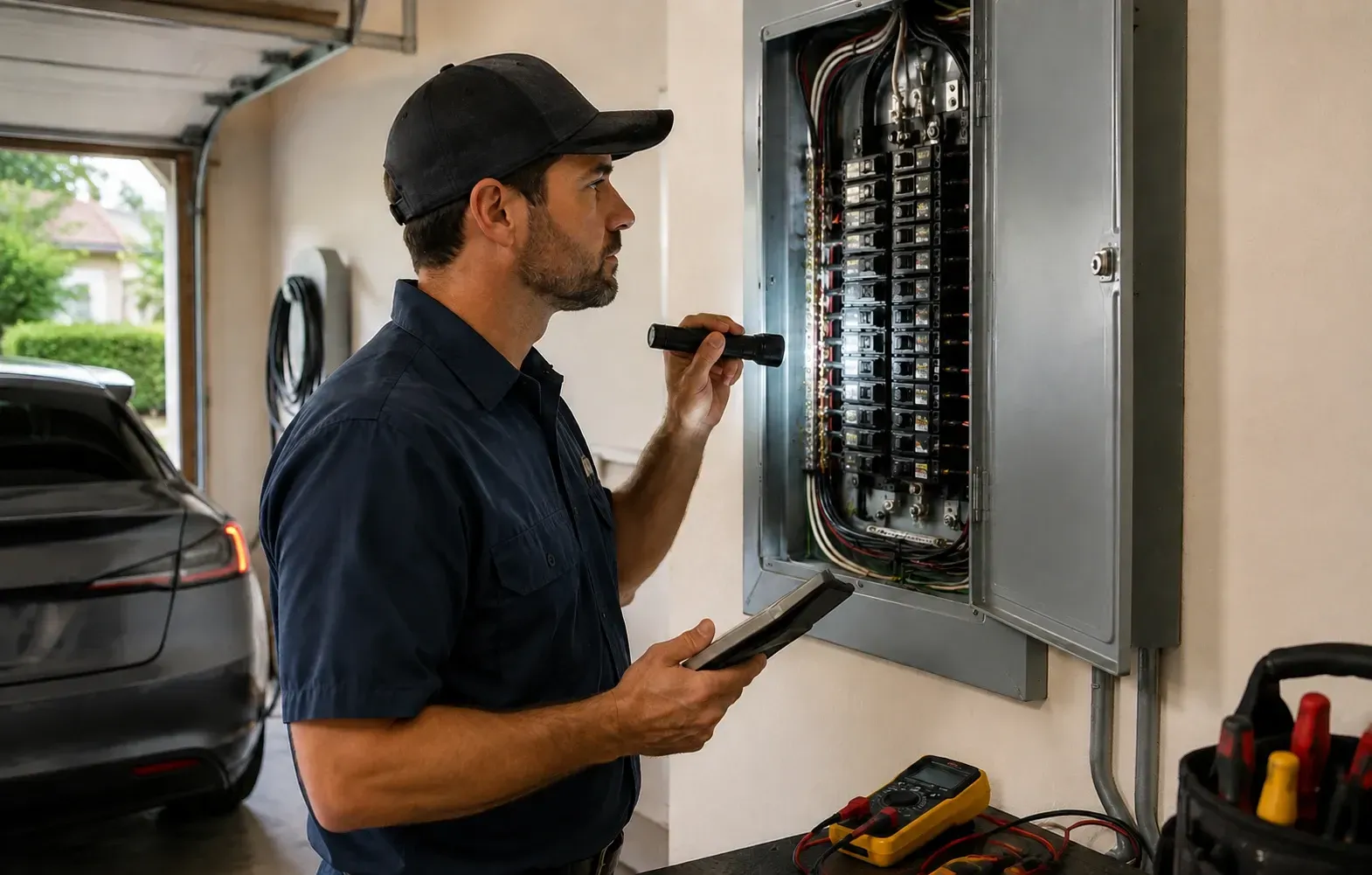
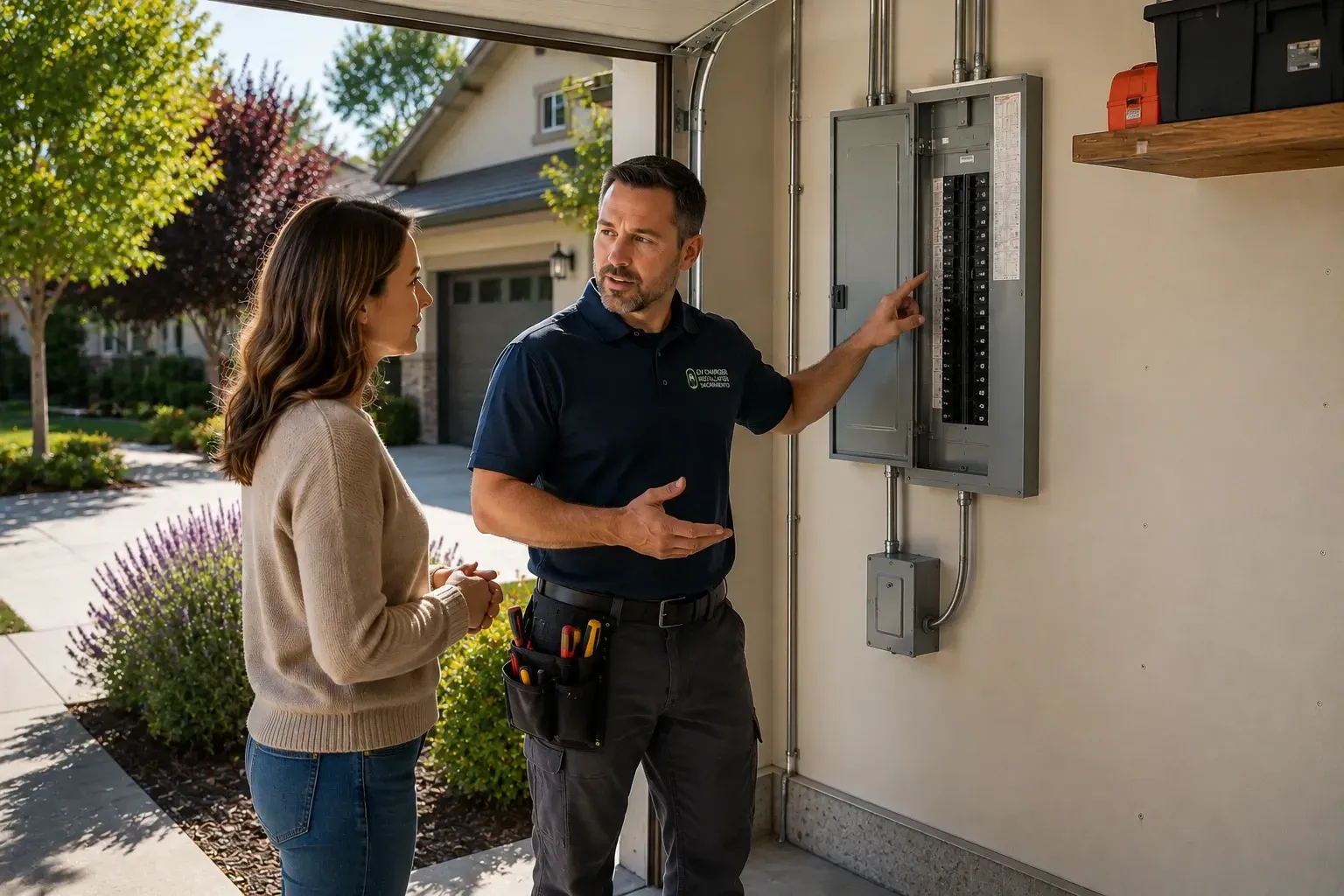
Because a Level 2 EV charger adds a substantial electrical load to the home, information about the existing electrical service and panel may be part of the permit review. The permitting authority may need to understand both the proposed charging load and the electrical system that will supply it.
The service rating and electrical panel provide part of that information, but an available breaker position does not by itself establish that the home has sufficient electrical capacity for the charger. Existing electrical loads also need to be considered when determining whether the planned charging circuit can be supported.
Depending on the project and jurisdiction, electrical load information or calculations may be required as part of the permit submittal. Sacramento County's current residential EV charging requirements, for example, include load-calculation requirements under specified conditions as part of evaluating the proposed installation.
If the evaluation shows that the existing electrical system cannot support the planned charging configuration as proposed, the project may need to be adjusted. Depending on the circumstances, that could involve a different charging configuration, an appropriate energy or load management solution, or additional electrical work. Any changes that become part of the installation should be reflected in the project submitted for permit review.
Addressing electrical capacity during the planning and permitting stages helps ensure that the permit application reflects the installation that will actually be performed. It also allows questions about the panel, charging load, and any necessary electrical modifications to be resolved before the project moves into installation.
Obtain the Permit Before Installation Work Begin
Once the scope of the EV charger installation has been established and the required permit information has been prepared, the permit should be obtained before the electrical installation work begins. This allows the proposed work to be reviewed under the applicable requirements before the new charging circuit and equipment are installed.
Submitting the project in advance also provides an opportunity to address questions that may arise during permit review. If additional information, changes to the electrical plan, or clarification about the charging equipment is required, those issues can be resolved before the installation has already been completed.
The permit should reflect the work that will actually be performed. If the project changes after the initial planning—for example, because additional panel work or other electrical modifications become necessary—the permit scope may also need to be updated according to the requirements of the permitting authority.
Treating the permit as part of the installation process rather than an after-the-fact requirement creates a more orderly sequence: determine the project scope, prepare and submit the required information, obtain the permit, complete the approved electrical work, and then proceed through any required inspection.
Understand the Role of the Electrical Inspection
Obtaining an electrical permit does not by itself complete the permitting process. After the permitted EV charger installation has been performed, a required inspection allows the permitting authority to review the completed work and determine whether it complies with the applicable requirements.
The inspection relates to the electrical installation as a whole rather than simply confirming that the charger turns on. Depending on the project, the inspector may need to review aspects of the charging circuit, electrical equipment, charger connection, and other work included within the scope of the permit.
Inspection procedures depend on the jurisdiction. Within the City of Sacramento, the City's current inspection requirements specify virtual inspections for residential EV charger permits. Homeowners in unincorporated Sacramento County or surrounding incorporated communities should follow the inspection procedures established by the authority responsible for their property.
If an inspection identifies work that needs to be corrected or additional information that is required, those items generally need to be addressed before the permit can be completed. This is another reason to treat inspection as an expected stage of the installation rather than something separate from the project.
Once the required inspection has been successfully completed and the permitting authority has accepted the work, the permitting process can be brought to completion. Keeping the permit and final inspection documentation with other records for the home also provides a useful record of the permitted EV charger installation.
Additional Electrical Work Can Affect the Permit
An EV charger project does not always remain limited to installing a new charging circuit. During planning, it may become apparent that additional electrical work is needed, such as modifications to the existing panel or other changes required to support the planned charging installation.
When additional electrical work becomes part of the project, the permit should accurately reflect the complete scope of work being performed. Sacramento County's current residential EV charging requirements, for example, allow a main electrical panel upgrade associated with the charger installation to be incorporated into the EV charging permit submittal.
Changes can also occur after the initial permit application has been prepared. If the electrical evaluation or installation process results in a significant change to the approved plan, the permitting authority may need updated information or revisions before the project proceeds. The appropriate procedure depends on the jurisdiction and the nature of the change.
Keeping the permit aligned with the actual installation helps ensure that the electrical work being performed is included in the review and inspection process. If the project expands beyond the original charger circuit, addressing those changes with the permitting authority is preferable to completing additional work that was not reflected in the approved project.
Permit Requirements Can Differ Outside the City of Sacramento
The City of Sacramento's EV charger permitting procedures apply to properties within the City's jurisdiction, not to every home in the greater Sacramento area. Homeowners elsewhere in the region should use the permit requirements and procedures established by the local authority responsible for their property.
Properties in unincorporated Sacramento County follow Sacramento County requirements, while incorporated cities such as Elk Grove, Folsom, Rancho Cordova, and Citrus Heights may administer their own building and electrical permitting processes. Application forms, submission methods, required documentation, fees, and inspection procedures can therefore differ from one jurisdiction to another.
The underlying electrical installation may be similar, but homeowners should not assume that a permit application or procedure used in one Sacramento-area jurisdiction will apply in another. Even requirements that appear similar can be administered differently, particularly when it comes to submitting plans, scheduling inspections, or documenting additional electrical work.
For that reason, local permit information should always be obtained from the authority having jurisdiction over the property. Identifying that authority early and following its current requirements helps keep the permitting process aligned with the actual location of the EV charger installation.
Verify Current Requirements Before the Project Begins
Permit requirements and administrative procedures can change over time. Application forms, submission methods, required documentation, fees, inspection procedures, and other details may be updated, so information that applied to a previous EV charger installation should not automatically be assumed to apply to a new project.
Before work begins, homeowners should verify the current requirements directly with the permitting authority responsible for their property. Current information from the City of Sacramento, Sacramento County, or the applicable incorporated city provides the best basis for determining what needs to be submitted and how the permit and inspection process will be handled.
It is also important to verify requirements for the actual scope of the planned installation. A straightforward new charging circuit may involve different considerations from a project that also includes panel modifications or other electrical work. Changes to the project can affect the information that needs to be reviewed or included in the permit.
Confirming the jurisdiction, project scope, current submittal requirements, and inspection process before installation begins gives homeowners a clear path through permitting. With those details established, the permit can be treated as a planned part of the EV charger installation rather than an unexpected requirement encountered after work is underway.
Conclusion
Permitting is an important part of planning many home EV charger installations, but the process begins with identifying the authority responsible for the property. The City of Sacramento, unincorporated Sacramento County, and surrounding incorporated communities may have different application, review, and inspection procedures, making it important to start with the correct jurisdiction.
The scope of the installation also affects the permitting process. Charger location, circuit requirements, electrical capacity, and any additional panel or electrical work can influence the information that needs to be submitted and reviewed. Planning these details before installation begins helps ensure that the permit reflects the work that will actually be performed.
Because permit requirements and procedures can change, Sacramento-area homeowners should verify current information with the appropriate permitting authority before beginning an EV charger project. Treating permitting and inspection as planned stages of the installation provides a clearer path from the initial electrical planning through completion of the permitted work.
Do I need a permit to install an EV charger in Sacramento?
A new Level 2 EV charger installation typically involves electrical work that requires permitting. The specific requirements depend on the jurisdiction responsible for the property and the scope of the installation.
Is the City of Sacramento or Sacramento County responsible for my permit?
It depends on where the property is located. Homes within the City of Sacramento generally follow City requirements, while homes in unincorporated Sacramento County generally follow County requirements; a Sacramento mailing address alone does not necessarily identify the permitting jurisdiction.
What information is needed for an EV charger permit?
Requirements vary by jurisdiction and project, but permit submittals may include information about the charger, its location, the electrical panel, the new charging circuit, and the home's electrical capacity. Plans, electrical diagrams, or manufacturer documentation may also be required.
Does an EV charger installation need an electrical inspection?
When an inspection is required as part of the permit process, the completed electrical installation must be reviewed according to the procedures of the permitting authority. The inspection is concerned with the permitted electrical work, not simply whether the charger powers on and charges the vehicle.
What if my EV charger installation also requires panel work?
Additional panel or electrical work can affect the scope of the permit and the information that needs to be submitted. The permit should reflect the complete electrical work being performed as part of the project.
Should I get the EV charger permit before installation begins?
The applicable permit should be obtained before permitted electrical installation work begins. This allows the proposed work to be reviewed and any questions or required changes to be addressed before the installation has already been completed.
Contact Us
Contact Us - Resources - Permits
Planning a home EV charger installation in Sacramento?
Permitting requirements can depend on your property's jurisdiction, the electrical work being performed, and the overall scope of the project. Call to discuss your installation and the permitting considerations that may apply to your home.